

Ataxia: my poem
Read this expressive poem about ataxia, and how it affects Linda’s everyday life.


The AMRC Impact Report highlights the concrete ways that medical research charities make a difference to people and society through the research they fund
AMRC Impact Report Read More »

The ‘New Modalities Ecosystem’, launched in 2018 by the Finnish pharmaceutical company Orion, aims to exploit Finnish expertise to deliver new treatments and technologies for rare diseases.
New initiative for rare diseases launched by Finnish pharmaceutical company Read More »
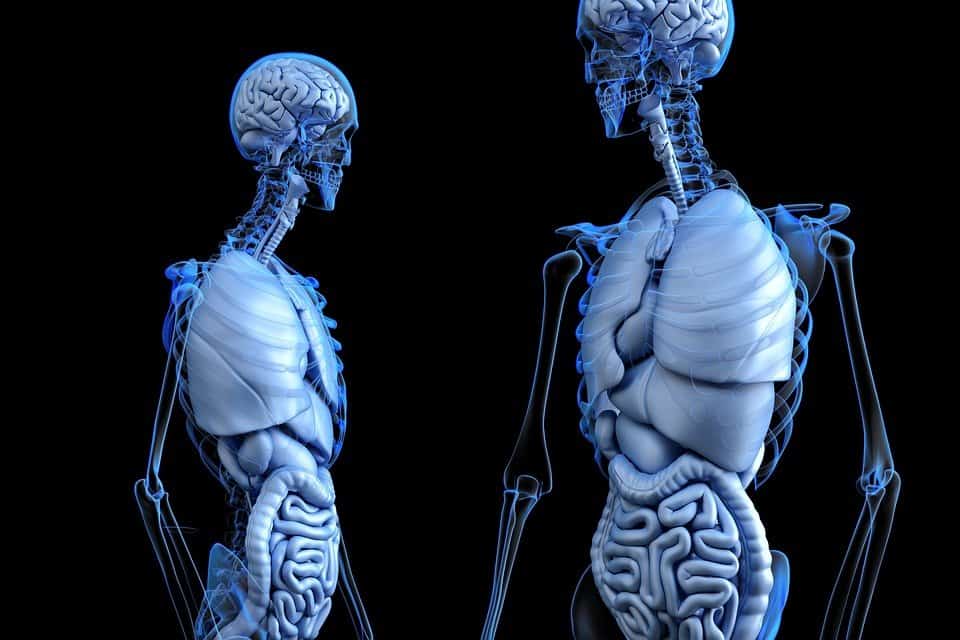
The ongoing European Friedreich’s Ataxia Consortium for Translational Studies (EFACTS) study, part-funded by Ataxia UK has released a report evaluating the clinical variability in Friedreich’s ataxia (FA) symptoms.
EFACTS reports most common ‘non-ataxia’ symptoms in FA Read More »

A recent study investigating the effect of investigating the effect of physiotherapy on patients with spinocerebellar ataxia type 7 (SCA7) has found that it to significantly improve symptoms.
Effects of physiotherapy in patients with spinocerebellar ataxia type 7 Read More »

Ataxia UK’s Head of Research Julie Greenfield reports on the 2018 Euro-ataxia annual conference held in Frankfurt.
Euro-ataxia annual meeting Read More »

Ataxia UK has been talking with Minoryx Therapeutics, a company focusing on developing new drugs for rare conditions, and we are delighted with this new trial being announced.

Experiments in the laboratory using skin cells taken from people with Friedreich’s ataxia have shown that these cells may be more susceptible to damage caused by certain sun rays.
Friedreich’s ataxia may cause greater susceptibility to skin damage by UVA rays Read More »

Take part and have the chance to win £200!
Ataxia UK’s Annual Spring Raffle Read More »

Ensuring your voice is at the forefront of communications about ataxia
Your voice: your message Read More »

We are delighted that on 20 February 2019 the Ataxia UK Medical Guidelines were published in the Orphanet Journal of Rare Diseases.
Ataxia UK medical guidelines published in peer-reviewed journal Read More »

A study has found that a rapid, non-invasive eye exam could potentially be used as a tool for assessing Friedreich’s ataxia patients and as a biomarker in clinical trials.
Non-invasive eye exam found to predict disease severity in Friedreich’s ataxia Read More »

An imaging technique called Optical Coherence Tomography (OCT) may help with early diagnosis of Autosomal Recessive Spastic Ataxia of Charlevoix-Saguenay (ARSACS).
New method for diagnosing ARSACS discovered at Specialist Ataxia Centre in London Read More »

Studies have shown that the frataxin gene may be activated by a wide variety of synthetic antisense oligonucleotides
New options for targeting gene mutation in FA described in nucleic acid therapeutics Read More »

Pharmaceutical company, Reata, has announced new preclinical data that supports the potential use of omaveloxolone in Friedreich’s ataxia.
Positive results announced for potential FA treatment Read More »

Ataxia UK attended conferences in Birmingham and St Asaph to and give talks about ataxia to health and social care professionals.
Raising awareness and understanding of ataxia among healthcare professionals Read More »

Biopharmaceutical company, IntraBio, has received an Orphan Drug Designation from the US Food and Drug Administration (FDA) for its lead compound (IB1000) for the treatment of spinocerebellar ataxias (SCA).
FDA oprphan drug designation for spinocerebellar ataxia Read More »

Researchers at the University of Florida have been granted $450,000 by Italian patient advocacy group GoFAR towards a gene therapy project for Friedreich’s ataxia (FA).

The UK government has committed to ensuring the UK is as closely aligned as possible with the new EU Clinical Trials Regulation (CTR).

Omaveloxolone has recently been given an Orphan drug designation for Friedreich’s ataxia the European Medicines Agency.
New EU Orphan drug designation for Freidreich’s ataxia Read More »

The results of the patient communications survey conducted at the 2018 Ataxia UK conference were presented in London by Ataxia UK partners Costello Medical.
Results presented from patient communications survey Read More »

NHS England has included hereditary ataxia in the final draft of the National Genomic Test Directory for rare and inherited disorders and cancer
Final draft of National Genomic Test Directory includes hereditary ataxia Read More »

A potential therapy for Glucose transporter 1 deficiency syndrome (Glut1 DS) has produced negative results in phase 3 of its clinical trial.
Glut 1 deficiency syndrome trial announces negative results Read More »

Results from a study conducted at the London Ataxia Centre have shown that 3 proteins which may represent new biomarkers in Friedreich’s ataxia (FA).
Study discovers 3 potential blood based biomarkers for FA Read More »

Study finds anti-viral drug leads to decrease in frataxin levels and may be a potential future candidate for treating Friedreich’s ataxia (FA).
HIV treatment identified as potential future therapy for FA Read More »

This week results were published showing the effects of an AAV (adeno-associated virus) gene therapy in a new mouse model of Friedreich’s ataxia (FA).
Hope for gene therapy for Friedreich’s ataxia Read More »

Experiments performed in mice and in cells taken from Friedreich’s ataxia (FA) patients reveal a protein called ‘GRP75’ might be an effective future treatment approach.
Increasing levels of a protein in FA may be potential future therapy Read More »

Ataxia UK, GoFAR, FARA US and FARA Australia are pleased to announce the date of 3rd International Ataxia Research Conference.
International Ataxia Research Conference (IARC) 2019 – Save the date! Read More »
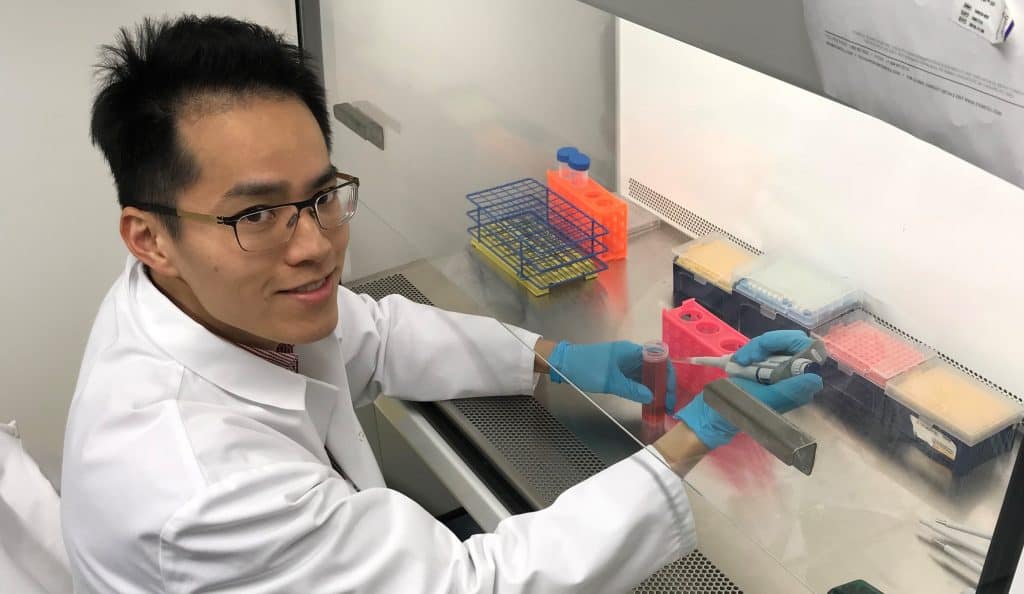
We interview PhD student Wayne Yau about life as an ataxia researcher working on an Ataxia UK funded investigation on the role of genetic DNA repair mechanisms in a range of ataxias.
Interview with PhD student and ataxia researcher Wayne Yau Read More »

Results from a phase 2 clinical trial suggest that a new therapy may improve neurological function and prevent disease progression relative to the natural course of Friedreich’s ataxia (FA).